

Key Aspects
- Painless
- Affordable
- Quick

Thane West
28b Flat No 2, Vrindavan Society

Mon - Sat
10:00AM to 9:00PM

+91-7208667500
drshrutirathi@gmail.com
🕙 Mon – Sat: 10:00 AM – 2:30 PM, 6:00 PM – 9:00 PM
Missing a Tooth? Get It Replaced —
Painlessly, Affordably, Quickly.
Starting Price: 30,000 Rs/-
The Perfect Solution to Replace Missing Teeth
Dental implants are one of the most reliable ways to replace missing or damaged teeth — restoring function, appearance, and long-term oral health.
Whether it’s one tooth or a full set, implants give you a stable, natural-looking replacement.

Bite and Chew Comfortably Again
Firmly anchored into the jawbone, dental implants let you bite and chew comfortably — no slipping, no discomfort, unlike dentures. Enjoy your favourite foods again, with confidence.
Look Younger
Missing teeth can cause the face to look sunken or aged over time. Implants support your jawbone and facial muscles — restoring balance, and your confidence.
Life-long Tooth Replacement Solution
With proper care, dental implants are a durable, long-term solution — often lasting decades.
Patient Experiences
Watch what our patients have to say about their dental implant journey.

How Dental Implants Work
A titanium implant is placed into the jawbone, acting as an artificial root that gradually integrates with the bone.
Once healed, a custom-made crown is attached — completing a restoration that looks and functions like a natural tooth.
International Quality Standards
All our implant systems meet the most stringent of international quality standards.


During your consultation, the most appropriate implant system will be selected based on your clinical condition, bone quality, and treatment goals
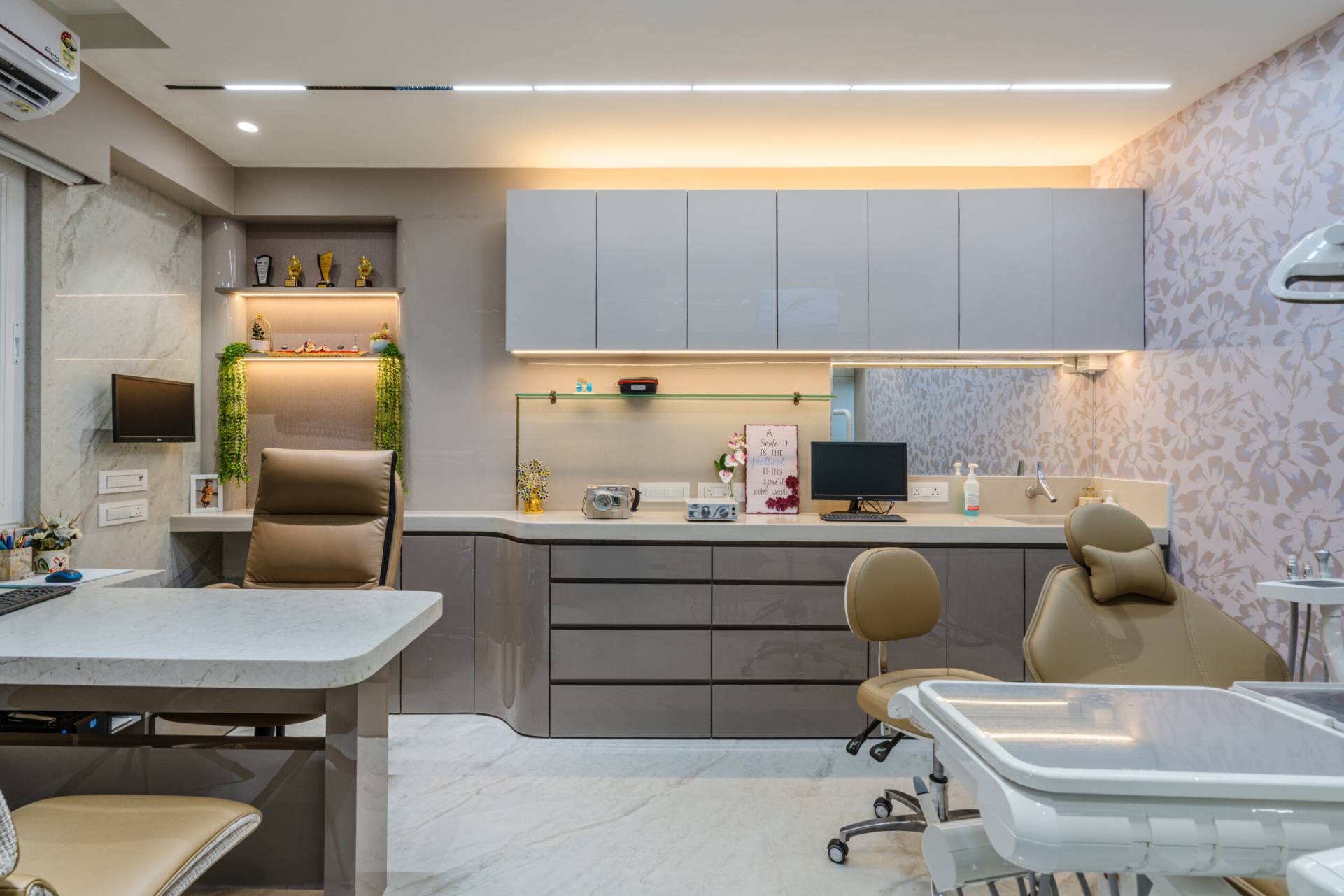
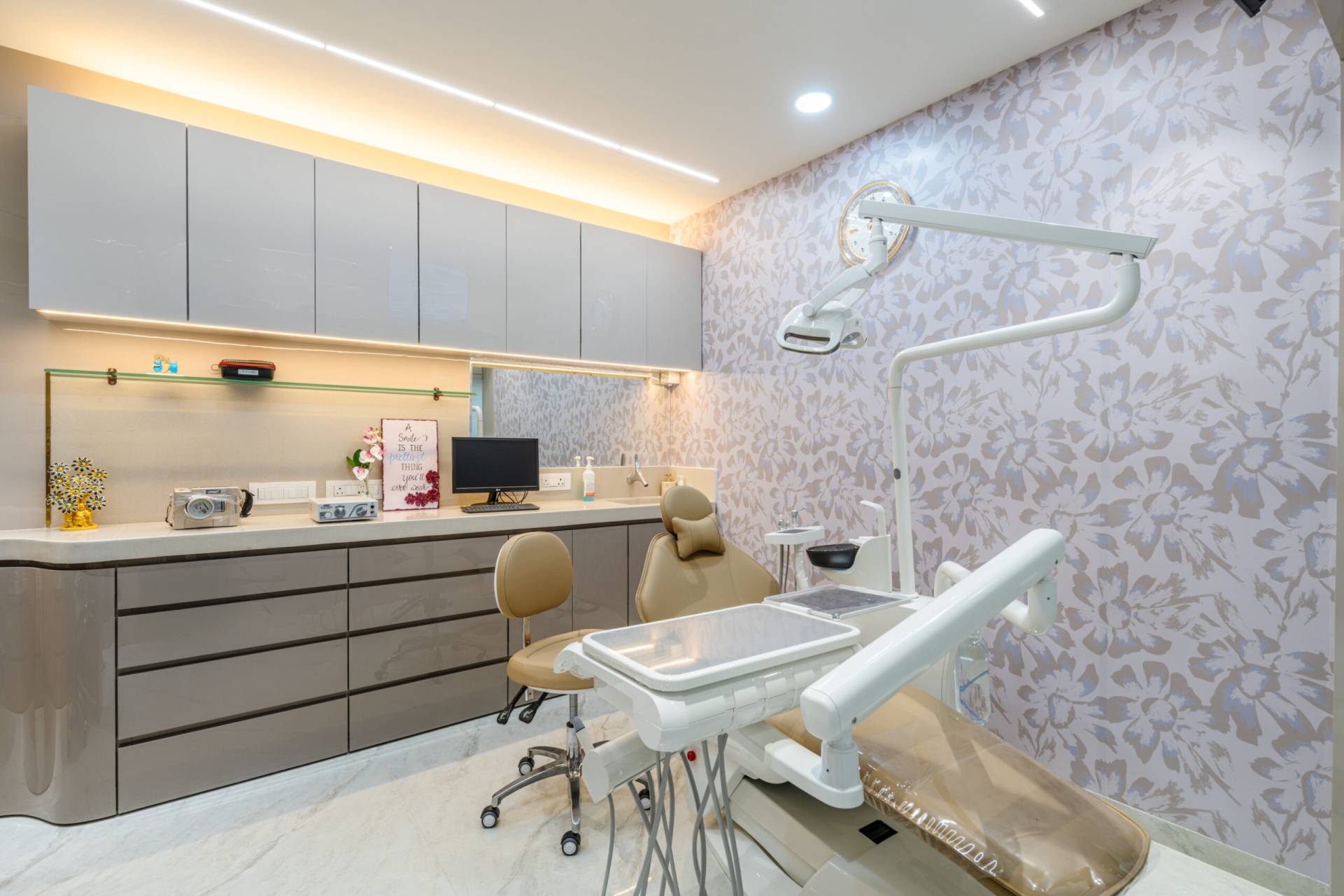
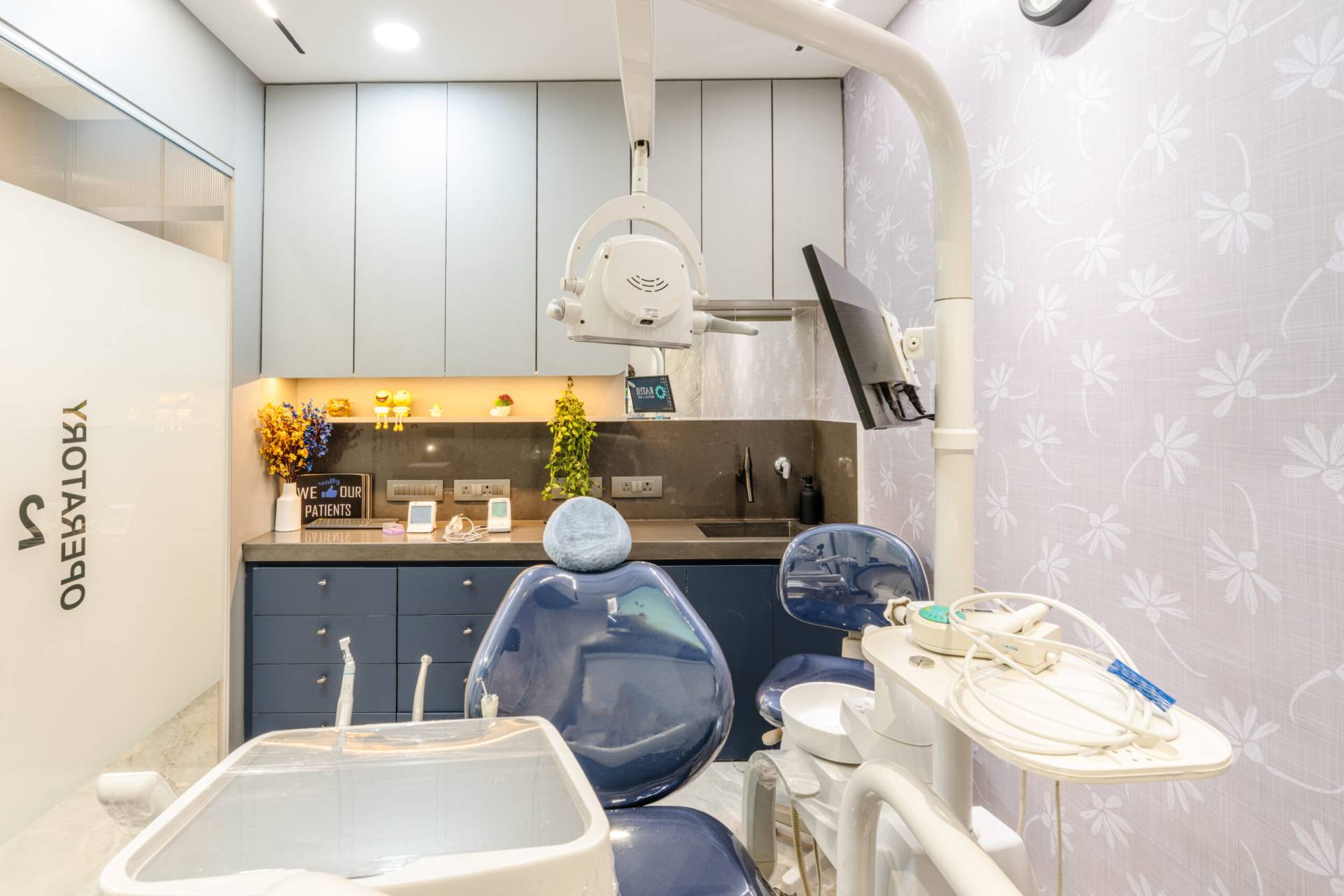
Our Modern Dental Clinic
Our clinic is designed to provide a comfortable and welcoming environment, while maintaining the highest standards of hygiene, sterilization, and modern dental technology.



AIP07141
AIP06912
AIP07038
AIP06790
AIP07077
AIP06987


In-House 3D CBCT Scan
Advanced 3D CBCT imaging plays a crucial role in implant dentistry by providing detailed views of the jawbone and surrounding structures.
This technology allows accurate evaluation of:
- Bone quality and volume
- Nerve pathways
- Tooth roots
- Sinus position
Such precise imaging enables safe planning and accurate implant placement, significantly reducing the risk of complications.

Example: 3D scan of the upper jaw showing natural teeth, implants, and previously treated teeth.
Comfortable and Gentle Treatment
In experienced hands, implant procedures are comfortable and minimally invasive.
We take special care to keep every patient relaxed — a smooth, stress-free experience from start to finish.
Treatment Timeline
Implant treatment can vary depending on each patient’s clinical situation.
Immediate Implants
- Teeth can be replaced on the same day in selected cases
- Requires careful planning and appropriate bone conditions
- Combines advanced surgical techniques with specialized implants
Two-Stage Implants
- Treatment completed over multiple stages
- Implant is placed first and allowed to integrate with bone
- Final crown is placed after healing
- This method is recommended in cases where immediate implants are not suitable.

Dr. Shruti Rathi
Periodontist & Oral Implantologist
With over 16 years of clinical experience, Dr. Shruti Rathi is known for her precision, gentle care, and commitment to excellence.
She has worked as a Research Assistant in Indianapolis, USA, with extensive research in bone regeneration, and has 10+ national and international publications to her credit.
She believes in going the extra mile for every patient, ensuring comfort, trust, and long-lasting results.
Frequently Asked Questions About Dental Implants
Most adults with missing teeth can be suitable candidates for dental implants. Ideal candidates generally have healthy gums, adequate jawbone to support the implant, and maintain good oral hygiene.
Even if some bone loss has occurred, additional procedures such as bone grafting may make implant treatment possible. A consultation along with a 3D scan helps determine whether dental implants are the right option for you.
Dental implant procedures are performed under local anesthesia, so patients typically do not feel pain during the procedure.
Some mild discomfort or swelling may occur for a few days after implant placement, which can be managed with prescribed medications. With modern techniques and careful planning, dental implant treatment is generally comfortable and minimally invasive.
The timeline for dental implant treatment depends on the individual case and the type of implant procedure performed.
In some situations, immediate implants allow a tooth to be replaced on the same day or within a short period of time. In other cases, implants may require a healing phase of around 3 to 4 months to allow the implant to integrate with the jawbone before the final crown is placed.
Your dentist will recommend the most appropriate treatment timeline after evaluating your case.
Dental implants are designed to be a long-term solution for missing teeth. With proper oral hygiene and regular dental checkups, implants can last for many years and often for decades.
The crown placed on top of the implant may need replacement after several years due to normal wear, but the implant itself can remain stable for a very long time.
The cost of dental implants in Thane depends on several factors such as the number of implants required, the implant system used, the need for additional procedures like bone grafting, and the type of crown placed over the implant.
Since every patient’s case is different, the exact cost can only be determined after a consultation and clinical evaluation.
Dental implants are often considered a better long-term option compared to dental bridges because they do not require trimming or damaging neighboring teeth.
An implant replaces the missing tooth root and supports the crown independently, helping preserve surrounding teeth and maintain jawbone health. However, bridges may still be recommended in certain clinical situations.
Yes, full mouth dental implants are an excellent solution for patients who have lost most or all of their teeth.
Advanced treatment options such as All-on-4 or multiple implant-supported restorations can replace an entire set of teeth with a stable and natural-looking solution, allowing patients to eat, speak, and smile comfortably.
Immediate implants involve placing the implant soon after tooth extraction and, in some cases, attaching a temporary tooth on the same day.
Two-stage implants involve placing the implant first and allowing it to heal and integrate with the jawbone for a few months before placing the final crown.
The appropriate technique depends on bone condition, gum health, and overall treatment planning.
If a missing tooth is not replaced, nearby teeth may gradually shift into the empty space, leading to bite problems and difficulty chewing.
Additionally, the jawbone in that area may begin to shrink over time due to lack of stimulation. Dental implants help prevent these issues by replacing both the tooth and its root.
Dental implants have a very high success rate, typically above 95%, when placed with proper planning and good oral hygiene.
Advanced diagnostic technology such as 3D CBCT scans helps dentists accurately evaluate bone structure and plan implant placement with precision, improving treatment outcomes.